
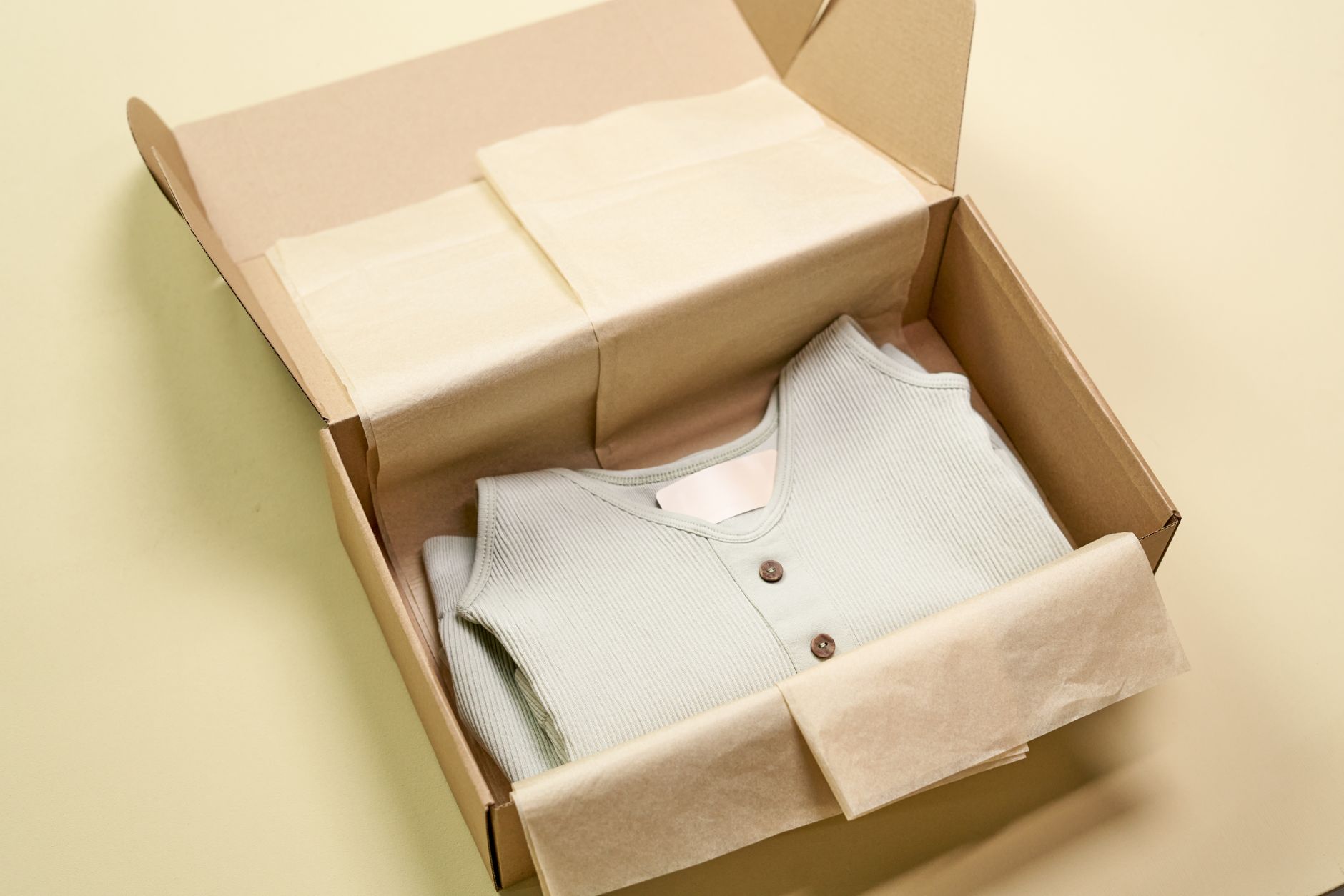
Whether you're wrapping up a cut of beautiful digital print fabric as a gift or stacking metres away for a future project, the preparation you do beforehand decides what condition it's in when it's finally used. Most sewists treat gifting and long-term storage as an afterthought. They're not. They're the last chance you have to protect the fabric from a list of very preventable problems: dye transfer, mildew, set-in creases, pest damage, and fading.
These steps apply whether the fabric is going into a gift box or a storage bin. Some are quick. A couple take a little planning. All of them are worth it.
Start with a thorough pre-treatment wash
Before fabric goes anywhere it won't be touched for a while, wash it. This removes manufacturing residues, sizing agents, and any surface dust that can degrade fibres over time. It also pre-shrinks the fabric, which matters enormously if the recipient plans to sew with it.
Use a gentle, low-temperature wash cycle. For most cotton-based digital prints, 30°C is enough. Cold water is fine for delicate fibres like modal or bamboo. Skip the fabric softener entirely: it coats fibres with a residue that attracts dust and can cause stiffness months later. If you've ever unwrapped a piece of stored fabric and found it oddly stiff or dull, softener build-up is often the culprit. The article on how to remove fabric softener build-up from your sewing projects explains exactly how to strip it out, but it's far easier to avoid it in the first place.
Wash like colours together. Even small amounts of dye migration during a wash can mar a light-coloured print permanently.
Dry correctly before folding or wrapping
Storing or gifting damp fabric is one of the fastest ways to create a mildew problem. Even fabric that feels dry to the touch can carry enough residual moisture to cause trouble inside a sealed box or plastic bin.
Hang the fabric flat or over a wide rod rather than draping it on a thin line, which leaves an impression. Keep it away from direct sunlight during drying: UV exposure starts fading digital prints faster than almost anything else. A shaded, well-ventilated area is ideal. Room temperature drying takes longer but is far gentler on colour and fibre structure. If you're in a hurry, a low-heat tumble dry for a short cycle works for cotton and polyester blends, but always check the fabric's care requirements first.
Once the fabric is fully dry, let it cool completely before folding. Folding warm fabric can set creases into the weave that take serious effort to remove later.
How to fold for minimal crease damage
The fold pattern matters more than most people expect. Tight, repeated folds at the same crease point are what cause those stubborn white lines that appear on the printed surface of fabric stored for months.
Roll the fabric instead of folding it wherever you can. Rolling around an acid-free cardboard tube is the gold standard for long-term storage, particularly for quality digital prints. If rolling isn't practical for gifting, fold loosely and tuck a layer of acid-free tissue paper between each fold to cushion the crease points. Avoid folding on the printed surface itself: fold with the print facing inward where possible, so any slight marking happens on the reverse side.
For the full detail on which folding approaches cause the least damage by fabric type, the guide on how to fold and store fabric to prevent creases covers each method with specifics.
Protecting against pests and humidity
Natural fibres attract insects. Wool, cotton, linen, and silk are all at risk from clothes moths and silverfish. Synthetic blends are less vulnerable, but they're not immune. If fabric is going into long-term storage, pest protection is not optional.
Cedar blocks or sachets of dried lavender are the most practical options for home sewists. Place them near the fabric rather than directly against it: cedar oil can leave marks on light fabric if it makes direct contact. Replace cedar blocks every 6 months as the scent fades. Avoid mothballs. They work, but the chemical residue they leave in fabric is difficult to remove and the smell is even harder.
Humidity is the other enemy. Fabric stored in a space with fluctuating humidity or poor airflow develops a musty smell and, in bad cases, mildew spots. Cotton and linen are especially absorbent. Aim to store fabric in a space with consistent humidity below 60%. A moisture-absorbing product like silica gel packets placed inside the storage container adds a useful buffer. Don't seal fabric in completely airtight plastic: condensation can build up inside if temperatures shift. A breathable cotton storage bag or a loosely closed cardboard box is better for most natural fibres.
Preparing fabric specifically for gifting
Gifted fabric has a few extra considerations. The recipient needs to know how to care for what they're receiving, and presenting it beautifully adds to the experience without requiring much extra effort.
Write out care instructions and tuck them inside the packaging. Include fibre content, wash temperature, whether the fabric is pre-washed, and any specific notes about the print. A small handwritten card does the job perfectly and gives the recipient something to keep with the fabric. If the fabric is from Fabric by TrishaMakes and carries a specific print name, include that too. It helps the recipient identify the fabric later if they want to order more.
Wrap gifted fabric in acid-free tissue paper rather than standard tissue, which can transfer dye onto light fabric over time. A fabric roll tied with twine looks genuinely beautiful and keeps the fabric from developing fold marks inside the packaging. If you're boxing it, avoid stuffing the box with coloured paper products that could bleed onto the fabric if any moisture gets in.
For prints that are particularly vibrant or dark, add a note flagging that the fabric hasn't been washed yet and should be washed alone before the first use. Dye transfer on the first wash is common with deeply pigmented digital prints, and it's far better to warn the recipient than to have them ruin a project with a colour bleed they didn't see coming. The guide on how to remove fabric dye transfer at home is useful reading for anyone working with bold prints for the first time.
One final check before the fabric leaves your hands
Before fabric is sealed into storage or packaged as a gift, hold it up to a good light source and check the surface properly. Look for any marks, inconsistencies in the print, or damage to the selvedge. Storage and gifting lock in any existing problems. A small stain treated now costs five minutes. The same stain discovered after six months in storage may have set permanently into the fibre.
Check the fold or roll is sitting flat with no tension across the fabric. Fabric stored under tension, even slight tension from an over-tight wrapping, can stretch or distort over time. Loose and supported is what you're aiming for.
Take the extra ten minutes. The fabric earns it.