
Getting your first 100 customers as a handmade seller is the part nobody warns you about. You can have beautiful products, a polished shop, and genuine passion for what you make, and still hear nothing but crickets for weeks. That first stretch of growth is almost always the hardest, not because the demand isn't there, but because you haven't yet built the trust or visibility that turns browsers into buyers. The good news is that 100 customers is a goal you can reach with a deliberate approach, no advertising budget required.
Start with the people who already know you
Before you think about strangers, think about your existing network. Friends, family, former colleagues, and community members are the warmest possible audience because they already trust you. Tell them what you're doing. Share your shop link. Ask them to spread the word if they love what you make. A lot of first-time handmade sellers skip this step because it feels awkward, but word-of-mouth from people who genuinely like you is one of the fastest ways to land your first handful of sales. Those early buyers become social proof, and social proof is what converts everyone else.
Don't stop at a single mention. Post about your shop on your personal social media accounts, not just your business ones. Share the story behind your work: why you started, what you love about it, how you make it. People buy from makers they feel connected to, and that connection starts with authenticity, not advertising.
Show up consistently on one social platform
Trying to be everywhere at once is a trap most new handmade sellers fall into. Pick one platform where your ideal customer already spends time and commit to showing up there consistently. Instagram and TikTok reward visual makers. Facebook Groups are powerful for community-driven sales, especially in niche craft or fabric communities. Pinterest drives long-tail traffic that compounds over months.
Whatever you choose, post more than product photos. Share your process, your workspace, your material choices, your behind-the-scenes moments. This kind of content builds an audience that feels invested in your work before they've spent a cent. If you're selling fabric-based products, showing the fabric itself, its texture, its print detail, and how it's being cut and sewn is incredibly engaging for the craft audience. For a deeper look at the strategies that consistently drive growth, top marketing strategies for small craft businesses covers the channels worth your time in detail.
Get your product listings working harder
Many new sellers list products quickly and move on, assuming good photos are enough. They're not. Your listing title, description, and tags all contribute to whether potential customers can find you in the first place. On platforms like Etsy, searchability is everything. Use the words your buyers actually type: not "artisan textile pouch" but "zipper pouch handmade fabric" or whatever your specific customer is likely to search for.
Your descriptions should do more than describe. They should answer the questions a buyer would ask before committing: what is this made from, how big is it, how do I care for it, and why is it worth buying from you rather than a mass-produced alternative? If you're building out an Etsy presence specifically, how to use Etsy SEO to get more eyes on your handmade shop is worth reading before you write another listing.
Join communities where your customers gather
Online communities, whether Facebook Groups, Reddit sewing threads, local craft forums, or Discord servers, are full of your ideal customers having conversations every day. Join them genuinely. Contribute, answer questions, share your expertise, and mention your shop only when it's relevant and welcome. Over-promotion in community spaces gets you removed fast, but being a helpful, knowledgeable member gets you remembered.
Look for local opportunities too. Markets, pop-up events, school fairs, and community expos put your products in front of people who can touch and feel them. There's a reason so many online handmade businesses credit a single good market day as the moment their shop gained its first loyal following. In-person interactions build a level of trust that digital channels still can't fully replicate.
Make the buying experience genuinely memorable
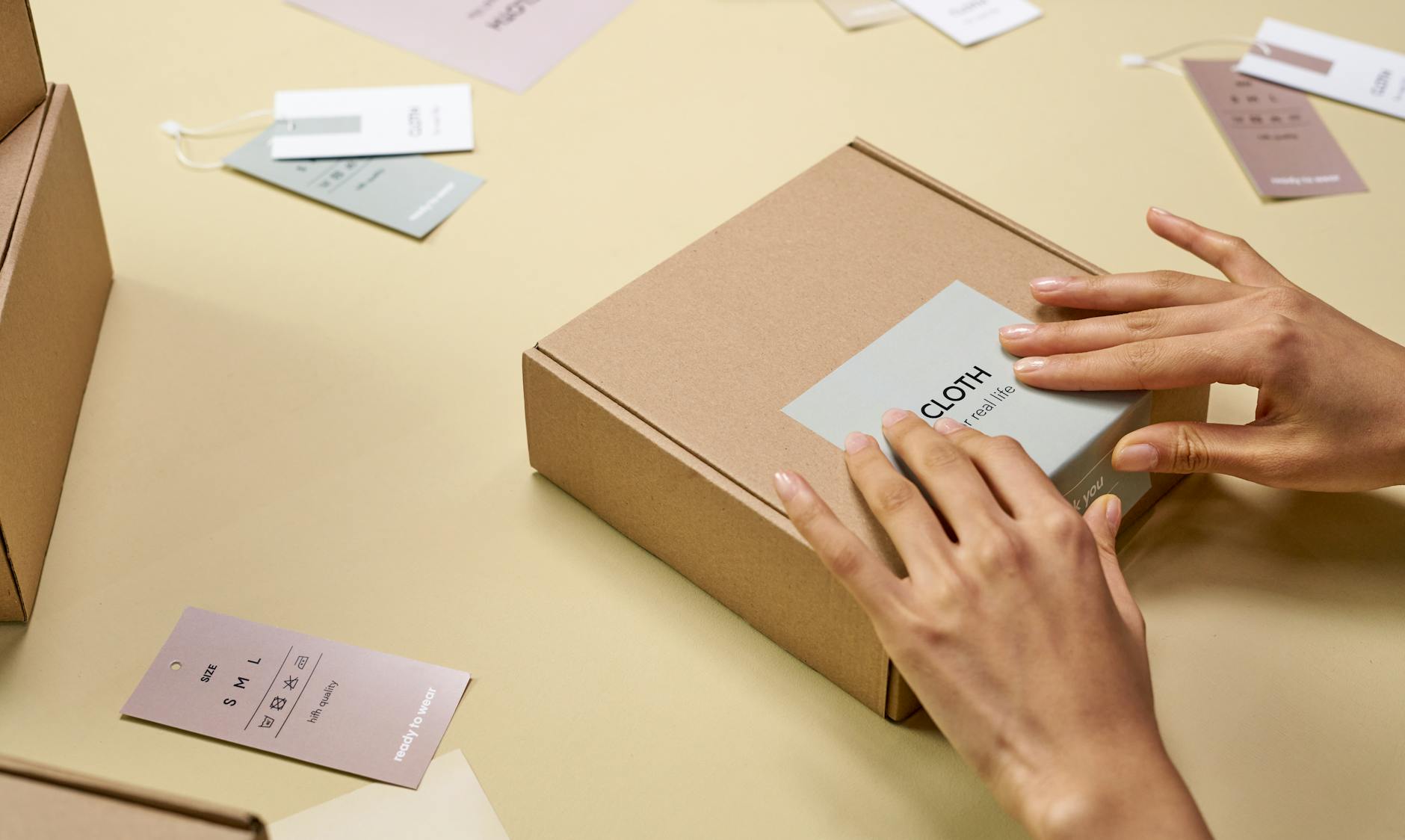
Getting a customer through the door once is only half the challenge. The packaging, the note inside, the speed of dispatch, and the quality of what arrives all determine whether that person buys again and tells their friends. When you're chasing your first 100 customers, you can't afford to rely on repeat purchases yet, but you absolutely can rely on referrals. A customer who receives something beautiful, packed with care, and delivered faster than expected will talk about it.
Think about small touches that cost very little: a handwritten thank-you note, a discount code for their next order, a fabric swatch of a new print coming soon. These details signal that a real person made and packed this item with intention, and that's something mass retail simply cannot offer.
Ask for reviews early and often
Social proof compounds. Every review you collect makes the next sale easier, because buyers trust other buyers far more than they trust any seller's own words. After every order, follow up with a brief, warm message thanking the customer and inviting them to leave a review if they're happy with their purchase. Most platforms make this easy, and the conversion rate from a friendly follow-up is much higher than waiting passively.
If you know a customer personally, it's completely reasonable to ask them directly. Early reviews from genuine buyers, even friends and family, are legitimate and valuable. Just make sure the reviews are honest and that the purchase was real.
Track what's working and double down
Once you've made your first 20 or 30 sales, look at where they came from. Was it Instagram? A specific Facebook Group? A market stall? Word of mouth from one particular customer? Those first data points are gold. Stop spending energy on the channels that haven't moved and put more effort into the ones that have. Your first 100 customers will teach you more about your business than any course or book.
Building a handmade business from zero is slow at first and then, suddenly, it isn't. Each customer you earn makes the next one slightly easier to find. The goal isn't just 100 sales: it's 100 relationships that form the foundation of a business people trust.