
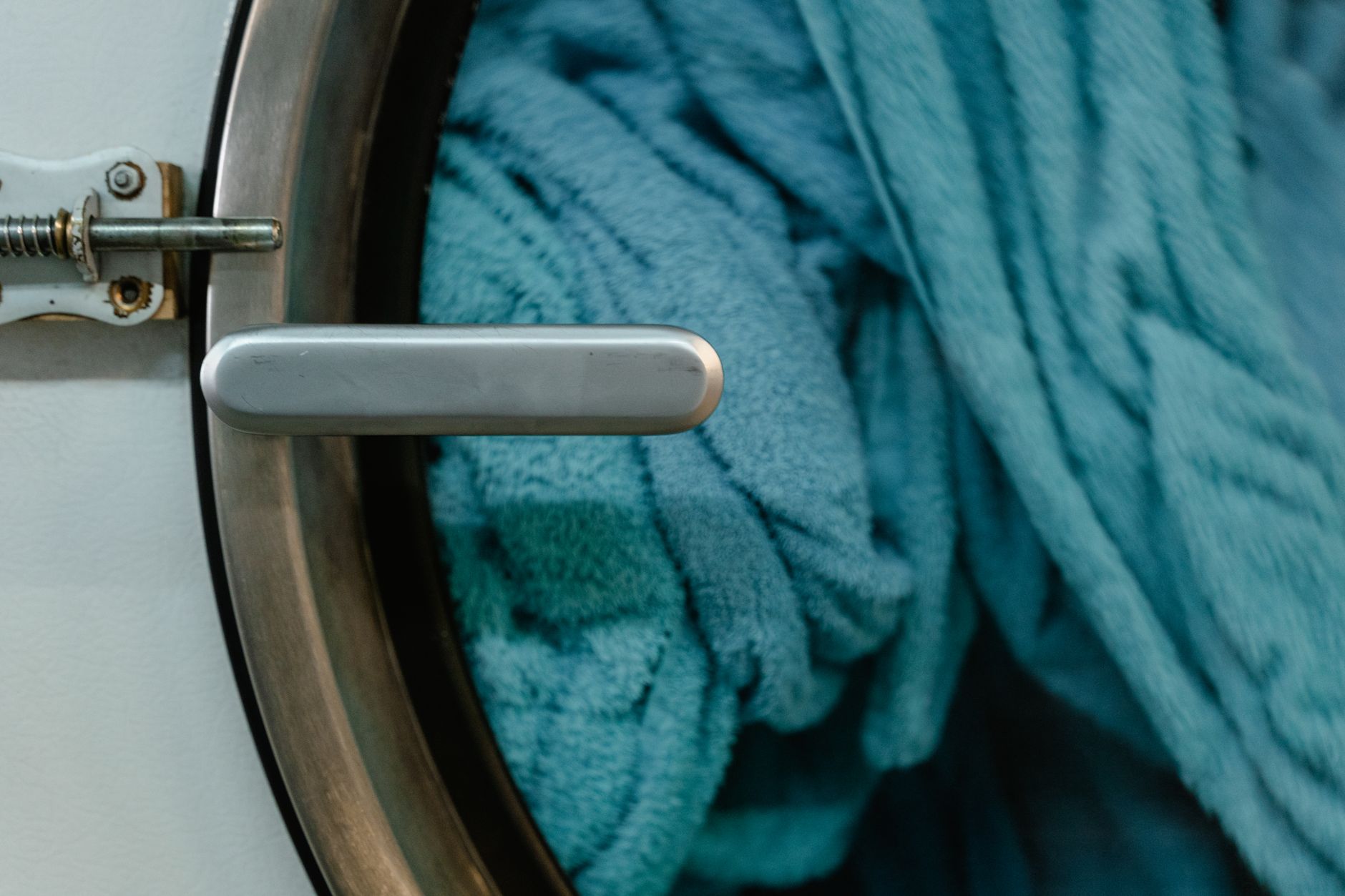
Washing fabric before you cut it isn't optional. Skip it and you're not sewing a garment to a pattern's measurements. You're sewing a garment to whatever the fabric decides to become after its first wash. That can mean a shirt that fits in the shop but won't button across the chest after one cycle, or a tote bag that puckers along every seam. This guide walks through exactly how to wash fabric before cutting, tailored to the fabric types most home sewists and small business makers work with every day.
Why pre-washing matters more than most people think
Fabric shrinks because heat, water, and agitation cause fibres to relax and contract. Most fabric is under tension during weaving, knitting, and finishing, so it arrives on a roll or bolt in a slightly stretched state. The first wash releases that tension. Natural fibres like cotton, linen, and bamboo are the worst offenders, but synthetic blends can shift too, especially if they contain any percentage of natural content.
Beyond shrinkage, pre-washing removes residual chemicals from the finishing process, loosens excess dye that might bleed onto lighter fabrics in future washes, and softens stiff fabric enough to get an accurate sense of how it'll drape once it's sewn. If you've ever read about how to get colour bleed out of a mixed fabric wash, you'll know that catching excess dye before cutting is far easier than dealing with it in a finished garment.
How to wash different fabric types before cutting
Quilting cotton and woven cotton
Machine wash on a warm cycle (30–40°C) using a small amount of gentle detergent. Don't skip the dryer if you plan to tumble dry the finished item. Run the fabric through the dryer on medium heat until it's fully dry. This is the step most people miss: if you line-dry the pre-wash but tumble-dry the finished make, you'll still get residual shrinkage. Treat the pre-wash exactly like every future wash the piece will ever see.
Serge or zigzag the raw edges before you put the fabric in the machine. Woven cotton frays badly in a wash cycle, and salvaging a tangled mess of threads is frustrating. If you don't have a serger, a simple zigzag stitch on a standard machine works fine.
Cotton jersey and stretch knits
Knit fabrics need a gentle cycle, cold to warm water (30°C is usually safe), and either a low-heat tumble dry or a flat dry. Hot water causes more shrinkage and can distort the knit structure, making the fabric harder to cut accurately. Turn the fabric inside out if it has any surface texture or print, and avoid overfilling the machine. A crammed drum causes the fabric to bunch and stretch unevenly during the cycle.
When you pull the fabric from the machine, don't wring it out. Knits distort easily when twisted under their own wet weight. Instead, press out excess water gently with both hands, then lay it flat or hang it over a drying rack. Understanding why fabric shrinkage happens and how to prevent it gives you a solid foundation for making smart choices across every fabric type in your stash.
Digital printed fabric
Digital printed fabric from Fabric by TrishaMakes is printed using high-quality inks that are heat-set during the production process. That said, a cold or warm gentle wash before cutting is still a good idea. It removes any surface residue, pre-shrinks the base fabric, and confirms that the print colour holds exactly as it should. Use cold water on a delicate cycle. Skip the dryer and line dry or lay flat instead. A well-cared-for digital print stays vivid for years, but agitation from a hot, full spin cycle is what degrades it fastest.
Linen and linen blends
Linen can shrink between 3% and 10% depending on the weave and finishing, which is a significant amount when you're cutting to a pattern. Wash linen on a warm cycle (40°C), then tumble dry on low or hang to dry. Expect some wrinkling. That's normal. Iron while slightly damp or use a steam iron before cutting. One pre-wash usually captures the bulk of the shrinkage, but if you're working with a looser weave or an unwashed artisan linen, a second wash before cutting isn't overcaution, it's insurance.
Minky, fleece, and plush fabrics
These fabrics don't shrink much, but they do shed. A pre-wash catches the initial shedding so it doesn't contaminate your machine mid-project. Use a cold, gentle cycle. Skip the dryer entirely and lay flat to dry. Heat can flatten the pile and cause patchy texture that's impossible to restore.
Checking for skew and grain before you cut
After pre-washing, lay the fabric on a flat surface and look at it honestly. Woven fabrics can come off the bolt skewed, meaning the crosswise grain isn't at a true right angle to the selvedge. A skewed fabric will produce a finished garment that twists on the body after washing, no matter how carefully you cut. To check: fold the fabric in half lengthways, aligning the selvedge edges. If the crosswise grain doesn't sit square, hold the fabric at two diagonal corners and give it a firm, steady pull. This resets the grain before you mark or cut anything.
Drying and pressing before you cut
Damp fabric stretches under cutting tools and shifts under pattern pieces. Always dry fabric completely before cutting, then press it flat. For wovens, press with steam on a temperature appropriate for the fibre. For knits, use a pressing cloth and avoid stretching the fabric while you press. The iron should lift and press, not drag. Dragging distorts knit fabric and can pull the grain out of alignment in lighter wovens.
If you've pre-washed your fabric and stored it on a roll or folded it in your stash, give it another quick press before cutting. Set-in creases from storage can sit inside fold lines and affect how accurately pattern pieces align. A few minutes at the iron board before you pick up your rotary cutter is never wasted.
When you can skip pre-washing
There are three situations where skipping the pre-wash is defensible. First, if the finished item will never be washed (a wall hanging, a decorative piece, or fabric used as interfacing inside a structured bag). Second, if you're cutting samples or making a toile, where fit rather than final dimensions is what you're checking. Third, if the pattern has already accounted for shrinkage and you're following its specific instructions not to pre-wash. Outside those three cases, wash the fabric first. Every time.