
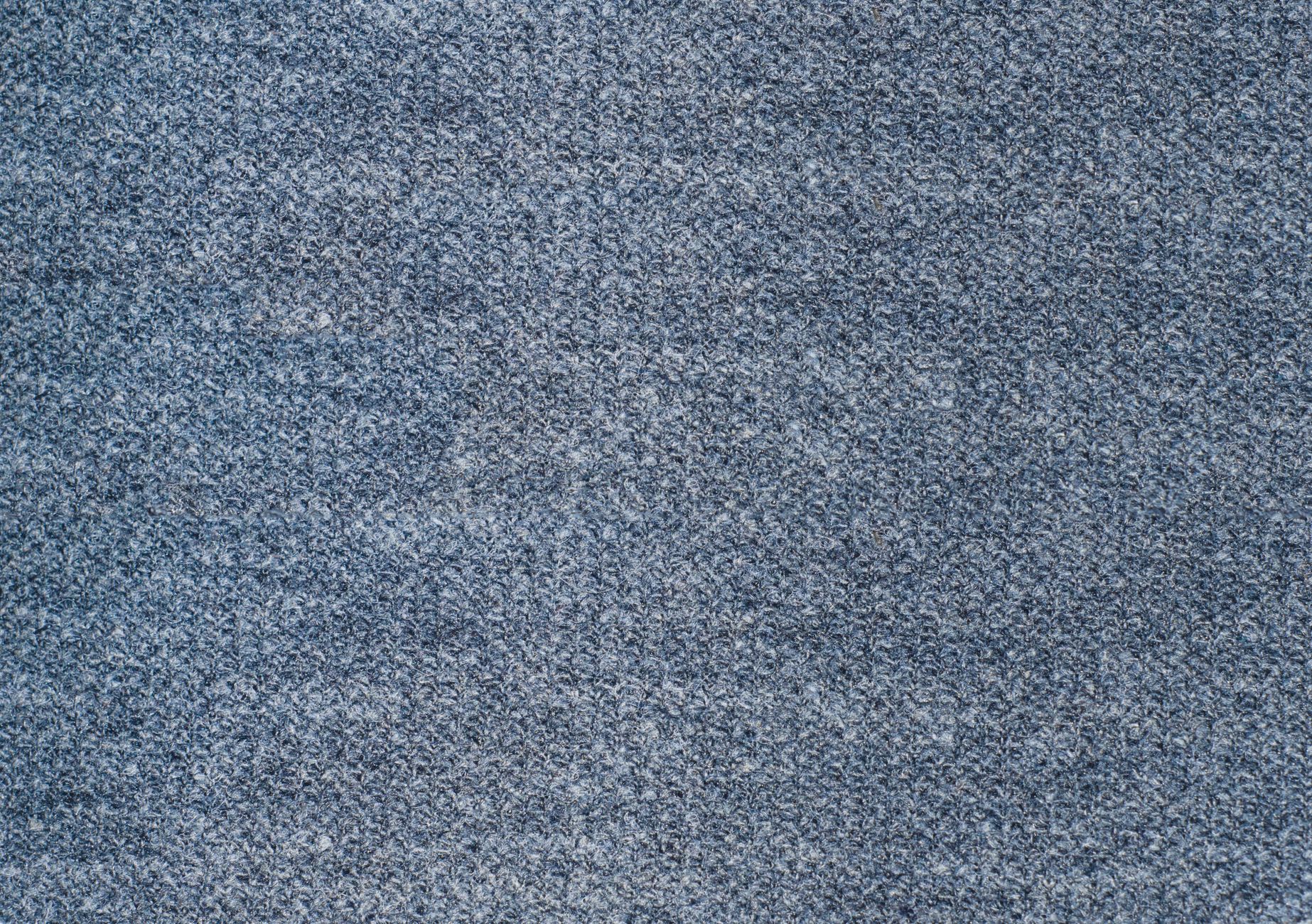
Fabric pilling is one of the most common complaints in sewing, and yet it's rarely talked about before a project is finished. Those small fuzzy balls that cluster on the surface of a garment or homewares piece are the result of loose fibres breaking free and tangling together. Once you understand what causes them, they're largely preventable.
What pilling actually is
Pilling happens when short or broken fibres on the fabric surface work loose through friction, then twist around each other into tiny knots. The knot clings to the surrounding fibres instead of shedding, so it stays put and grows. It's more noticeable on looser-spun yarns and fabrics with short staple fibres, but no fabric is completely immune.
The friction doesn't have to be dramatic. Repeated rubbing from a bag strap, the inside of a sleeve, or a washing machine drum is enough. Pilling turns up fastest in high-contact zones: underarms, collars, cuffs, and anywhere a garment folds against itself regularly.
Which fabrics pill the most
Not all fabrics are equally vulnerable. Synthetic fibres like polyester and acrylic pill readily because the fibres are strong enough to resist breaking off cleanly. Instead of shedding, they hold on and accumulate. Cotton can pill too, especially lower-quality cotton with a loose weave or a short staple length. Wool pills visibly early in its life, but the pills tend to release over time as the natural fibres break down. Linen pills the least of the common natural fibres, which is one of the quieter reasons sewists return to it. For a deeper look at linen fabric and its practical advantages, the comparison to other natural fibres is worth reading.
Blended fabrics sit in a complicated middle ground. A cotton-polyester blend, for instance, combines the pilling tendency of polyester with the weaker fibre structure of cotton. The polyester fibres hold the pills in place while the cotton breaks down around them. Blends often pill faster than either fibre alone.
How washing makes it worse
The washing machine is the single biggest contributor to pilling for most sewists. High-speed agitation loosens fibres rapidly. Hot water weakens the fibre structure. Overcrowded loads mean pieces rub against each other under pressure throughout the full cycle. Most of the damage that shows up after three months of wear actually happens in the first dozen washes.
Turning garments and fabric items inside out before washing reduces surface friction on the visible side. A mesh laundry bag gives delicate pieces a physical buffer against tumbling against denim or towels. Cold water is gentler on fibre structure than warm. These aren't complicated steps, but skipping all three adds up quickly. If you want the full breakdown, the guide on washing digital print fabric without fading covers wash settings in detail and applies equally well to pill prevention.
The role of fabric quality and construction
Fabric construction matters as much as fibre content. Tightly woven or tightly knit fabrics give individual fibres less room to move, so they break free more slowly. A high GSM (grams per square metre) rating often signals a denser, more tightly constructed cloth. Loosely knit jersey, open-weave cotton, and heavily brushed fleece all have more surface area exposed and more fibre movement, which translates directly to faster pilling.
Thread count in wovens works similarly. A higher thread count in a cotton fabric means more fibres per centimetre, each held more firmly in place by its neighbours. The practical result is a slower pill cycle and a smoother surface for longer. Understanding fabric GSM and what it signals about construction is one of the most useful skills for choosing pieces that hold up.
How to prevent pilling before it starts
The most effective prevention happens before the first wash. Pre-washing fabric before cutting and sewing removes the surface dressing that manufacturers apply, which can mask pilling tendency. It also allows any initially loose fibres to shed in a controlled environment rather than on the finished garment.
Choose the right fabric for each project's friction profile. A project that will sit against a chair back all day needs a denser, harder-wearing base than a garment worn occasionally. High-contact areas benefit from tightly woven fabrics; decorative pieces have more room to use softer, looser constructions.
When sewing, consider the seam direction in high-friction zones. Flat-felled seams reduce the raw-edge fibre exposure inside armholes and side seams. Finishing raw edges with an overlocker or zig-zag stitch stops the fraying that feeds pills from the inside out.
Fixing pilling that's already there
A fabric shaver (also called a lint shaver or defuzzer) removes existing pills cleanly without damaging the underlying cloth. Work in small circular motions and don't press hard. A sweater stone works similarly for wool and chunky knits. Neither fix addresses the underlying cause, so if the fabric pills again quickly, the wash routine or fabric choice needs revisiting rather than another round with the shaver.
Sticky lint rollers lift surface pills loosely but don't cut them free. They're useful for a quick tidy before wearing, not for genuine restoration. A sharp razor blade held at a shallow angle works in a pinch on flat fabric, but it carries real risk of cutting the cloth itself and isn't worth attempting on anything precious.
What to look for when ordering fabric
When ordering custom printed fabric, pilling resistance is worth factoring into the base fabric choice. Tightly woven quilting cotton pills slowly and holds detail prints exceptionally well. Cotton jersey pills more readily, especially in lighter GSM weights, but its stretch makes it the right call for fitted garments where the trade-off is worth it. Asking about fabric construction and GSM before ordering saves the frustration of discovering pilling on a finished piece you've invested hours in making.
Fabric by TrishaMakes prints on quality fabric bases chosen for both print performance and structural integrity. Fabric pilling is worth discussing before placing a preorder if the end use involves heavy friction or frequent washing. Picking the right base from the start is simpler than working around the wrong one later.