
Your about page is doing more work than you think. Buyers who land on a handmade shop aren't just shopping for a product. They're deciding whether they trust the person behind it. A well-written about page closes that gap fast. A vague or generic one sends them straight to your competitors.
The good news is that writing a compelling about page doesn't require a copywriter. It requires honesty, a clear structure, and a willingness to actually talk about yourself.
Why your about page matters more in a handmade business
Mass-market retailers don't need about pages. Nobody wonders about the backstory of a warehouse fulfilment centre. But when someone buys from a handmade business, the maker is part of the product. Your process, your taste, your standards. That's what they're buying into, not just the item itself.
This is especially true when you're running a preorder model or selling limited-run fabric designs. Customers are committing money before they hold the product in their hands. Your about page is what makes that feel safe. It answers the question they haven't typed: "Is this person real, and can I trust them?"
For makers who also want to get their first 100 customers, the about page is one of the highest-leverage pages to get right early. It compounds. Every visitor who reads it and trusts you is more likely to buy, and more likely to come back.
What to actually say (and what to skip)
Most about pages fail for one reason: the seller talks about themselves in a way that doesn't connect to what the buyer needs. Listing every year you picked up a sewing machine isn't a story. It's a timeline. What buyers want is the answer to a quiet, unspoken question: "Why does this person make what they make, and why should I care?"
Start with the origin moment. Not the year, the feeling. What pushed you to start? What problem were you solving? For a lot of fabric makers, it's the frustration of not finding the right print. For others, it's the desire to create something that couldn't be bought off a shelf. That tension is relatable, and relatability is the fastest route to trust.
From there, describe what you make now and who you make it for. Be specific. "I make custom printed fabrics for sewists who want exclusive designs" is far more useful than "I create beautiful, unique pieces for everyone." Specificity signals confidence. Vagueness signals uncertainty.
Then say something real about how you work. Turnaround times, quality standards, how you handle orders. This is where a handmade business about page can separate itself from every other maker online. It's not just a biography. It's a promise.
The structure that works
A converting about page doesn't need to be long. 300 to 500 words is enough if every sentence is doing something useful. Here's a structure that works for handmade sellers:
- Opening hook: one or two sentences that speak directly to the buyer's situation or desire.
- Origin story: why you started, in plain language with a specific detail or two.
- What you do now: your products, your process, and who you serve.
- Your standards: what you care about and how it shows up in your work.
- A soft call to action: invite them to shop, browse, or get in touch.
Keep the language conversational. Write the way you'd explain your business to someone at a market stall who asked what you do. Not formal, not gushing, just clear and warm.
Common mistakes that cost you buyers
Writing entirely in third person is the most common. "Sarah is a passionate maker who loves fabric." Sarah is writing this page, and buyers know it. First person is more honest and more connecting. Use it.
The second mistake is burying the business in biography. Buyers don't need your full sewing history from childhood. They need enough personal context to feel like they know you, then they need to understand what you sell and why it's worth buying. Keep the ratio roughly 30% story, 70% business.
Forgetting to mention practical details is another gap. Where are you based? How do you ship? If you run preorders, how long do they take? These aren't boring logistics. They're the details that turn a curious browser into a confident buyer. A seller who's transparent about process is a seller who's easy to trust.
And avoid vague claims like "high quality" or "made with love." Every single handmade seller says these things. They've lost all meaning. Instead, say what specifically makes your work good. Real details beat empty adjectives every time.
A note on photos
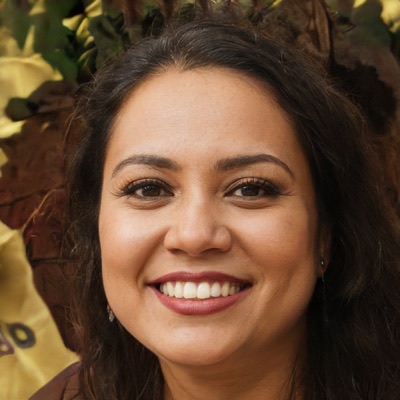
Your about page needs at least one photo of you. Not your products. You. Buyers form a connection with people, not brands, and a face on the page changes the feeling of the whole site. It doesn't have to be a professional shoot. A clear, well-lit photo of you at your workspace does the job.
If you already put effort into your product photography, apply the same care to this one. Good lighting, a tidy background, and a genuine expression. That's all you need.
Update it as your business changes
An about page written in your first month of business will feel wrong by year two. As your product range grows, your customer base shifts, or your process improves, your about page should reflect that. Set a reminder to review it every six months. It takes less than an hour and it keeps the page accurate and alive.
Your about page isn't just a box to tick. It's a sales page with a human face on it. Write it like it matters, because for your buyers, it does.